Alongside setting goals, planning holidays, and sketching out the year ahead, I always enjoy putting together a reading list.
Experience tells me I’ll probably deviate. New books will appear, interests will shift, and some titles may wait their turn. Still, there’s something motivating about setting the intention. So here’s my current list for 2026:
Tomorrow, and Tomorrow, and Tomorrow by Gabrielle Zevin
I want to read more fiction this year. This one came recommended by Ryan Holiday, which feels like a solid place to start.
Alan Turing: The Enigma by Andrew Hodges
I’ve read a lot about codebreaking and Enigma, but now I want to learn more about the person behind it all.
Exercised by Daniel Lieberman
Staying fit matters more to me every year, even if it remains a challenge. Hoping this book adds some perspective and motivation.
Smartphonevrij Opgroeien by Thijs Launspach
My daughter is eight, and the conversation about phones and smartwatches has already started. I’m looking for guidance on how to approach this thoughtfully.
The Daily Laws by Robert Greene
Another Ryan Holiday recommendation. After this, I plan to revisit The 48 Laws of Power with fresh eyes.
Postwar by Tony Judt
History may not repeat itself, but it certainly sharpens our understanding of the present and future.
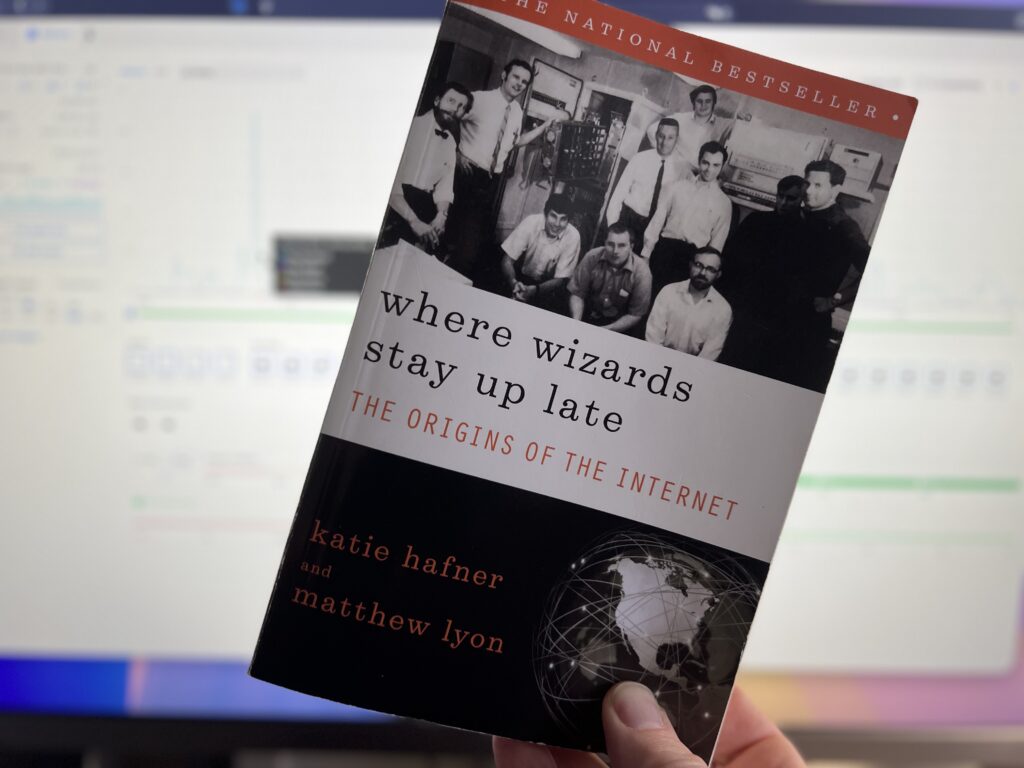
Where Wizards Stay Up Late by Katie Hafner & Matthew Lyon
Currently on my nightstand. Fascinating to explore how something as everyday as the internet began with ARPANET.
The Creative Act by Rick Rubin
Inspired by Range: doing things outside your core discipline can strengthen creativity and problem-solving. Time to make more music.
Curious to hear: what’s on your reading list for the year ahead?
#ReadingList #LifelongLearning #PersonalDevelopment #Curiosity #History #Creativity #Parenting #Books #2026Goals